The case for sit-stand — and its limits
A height-adjustable desk will not burn noticeable calories or cancel out a sedentary day. Its real value is variety: changing position regularly relieves the static loading that builds up in the back, hips and neck. Research from Cornell University's ergonomics group, led for many years by Professor Alan Hedge, popularised a simple pattern sometimes called 20-8-2 — roughly 20 minutes sitting, 8 minutes standing and 2 minutes moving in every half hour.
Standing all day is not the goal. Prolonged standing brings its own problems in the legs and feet. The best desk is the one you adjust often because it is quick, quiet and steady enough that you never hesitate to press the button.
Five specifications that separate good from bad
- Height range. Look for a minimum of about 62–65 cm and a maximum above 120 cm if you are tall. A low minimum matters for shorter users far more than most listings admit.
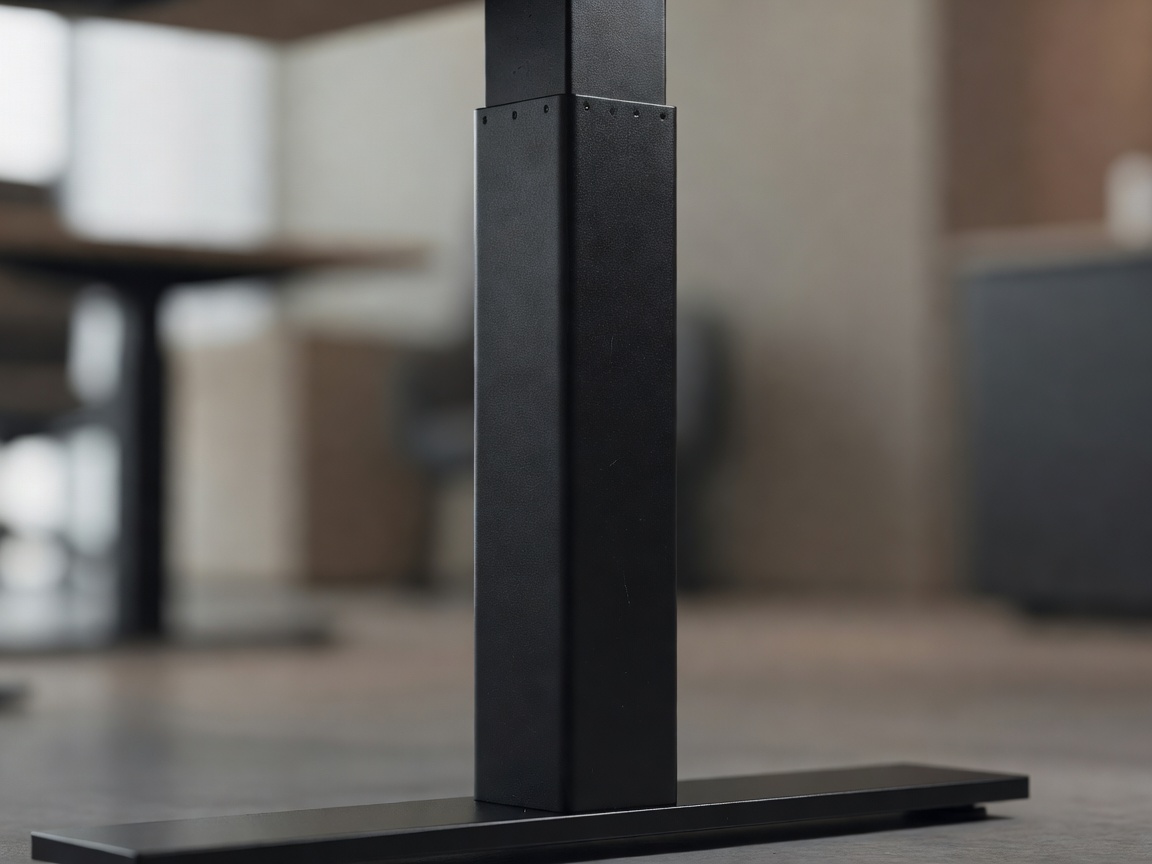
- Motors. Dual-motor frames lift more evenly, carry heavier loads and tend to be steadier than single-motor designs.
- Stages. Three-stage legs offer a wider range; two-stage legs can be stiffer at full height.
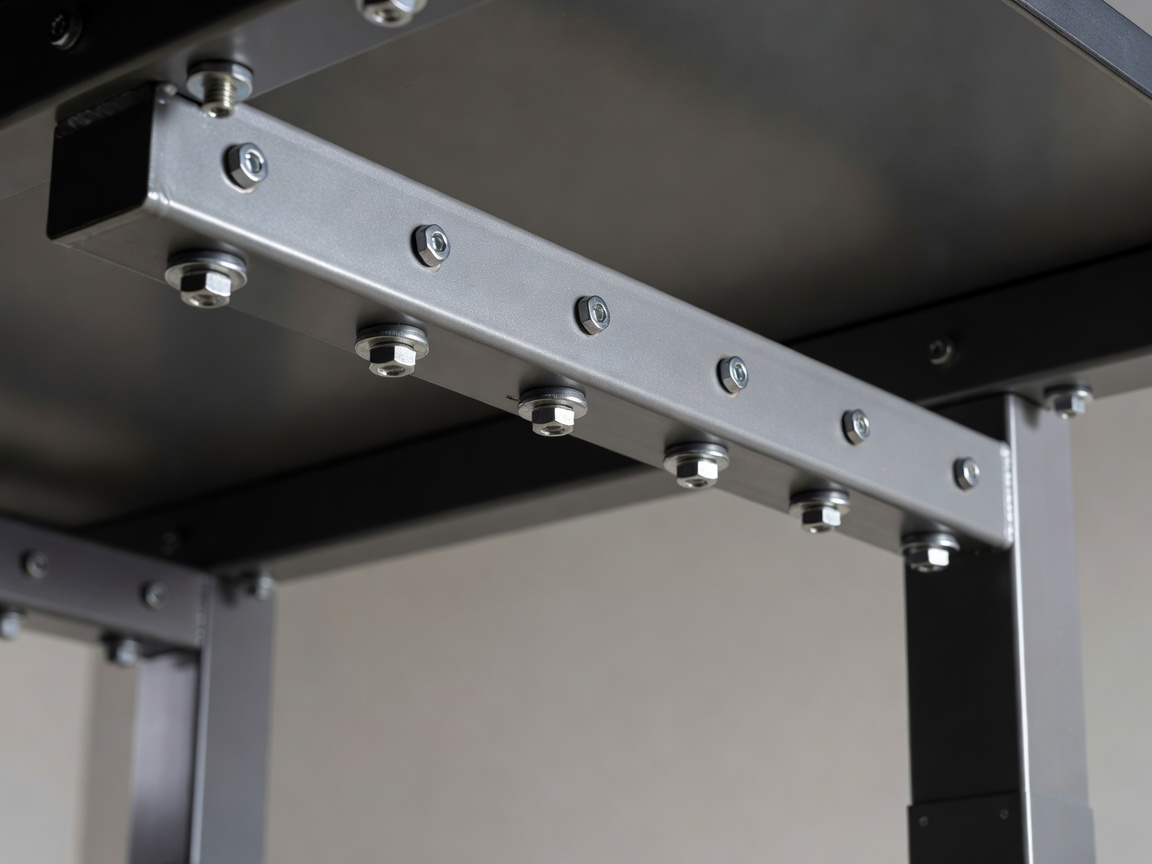
- Crossbar and feet. A rear crossbar and wide feet reduce side-to-side wobble, the most common complaint.
- Controller. Memory presets make switching effortless; anti-collision detection protects window sills and chairs.
Standing desk rankings for 2026
| Rank | Desk | Motors | Strength | Weakness | Score |
|---|---|---|---|---|---|
| 1 | Uplift V2 | Dual | Very stable, huge accessory range | Configuration options can overwhelm | 9.2 |
| 2 | Fully Jarvis | Dual | Wide height range, proven frame | Pricier since brand moved under Herman Miller | 8.9 |
| 3 | Flexispot E7 | Dual | Strong value, solid at height | Heavy to assemble | 8.7 |
| 4 | IKEA Bekant (sit/stand) | Single | Easy to buy and return locally | Slower, narrower range | 7.5 |
| 5 | IKEA Trotten (crank) | Manual | No electrics, very low cost | Cranking discourages switching | 6.8 |
Converters, risers and renters' options
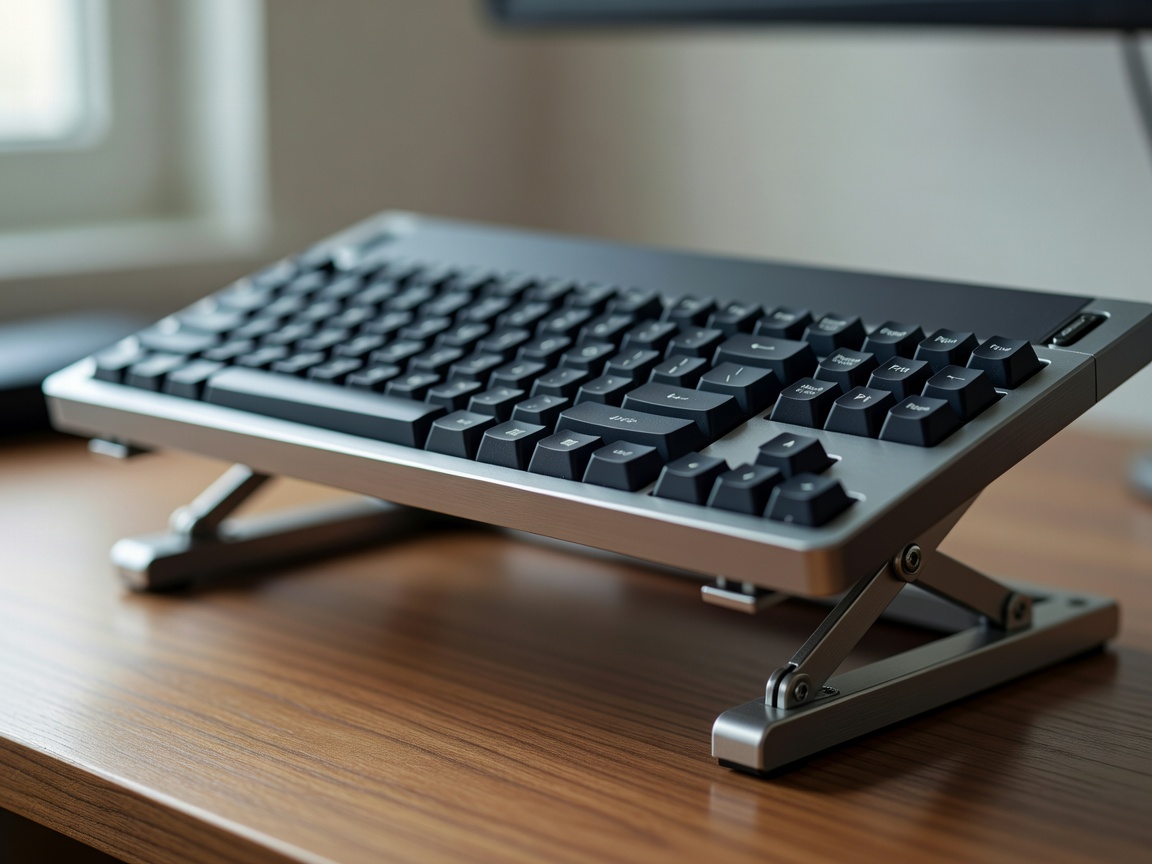
If you cannot replace your desk, a desktop converter sits on top of an existing surface and lifts the keyboard and screen together. They work, but they raise the keyboard and monitor as one unit, which makes it harder to get both at the right height. They also reduce your usable desk depth and can feel bouncy at full extension.
For many people renting small flats, a better route is a compact electric desk around 100–120 cm wide. Most leading frames come in short widths, and the motor housing is no larger than on full-size models. Pair it with a monitor arm from our accessories guide to keep the surface clear.
Getting the heights right
At sitting height, the desk surface should meet your elbows when your shoulders are relaxed and your chair is set correctly, as described in our chair fit guide. At standing height, repeat the same check: elbows near 90 degrees, wrists straight, screen top at or just below eye level.
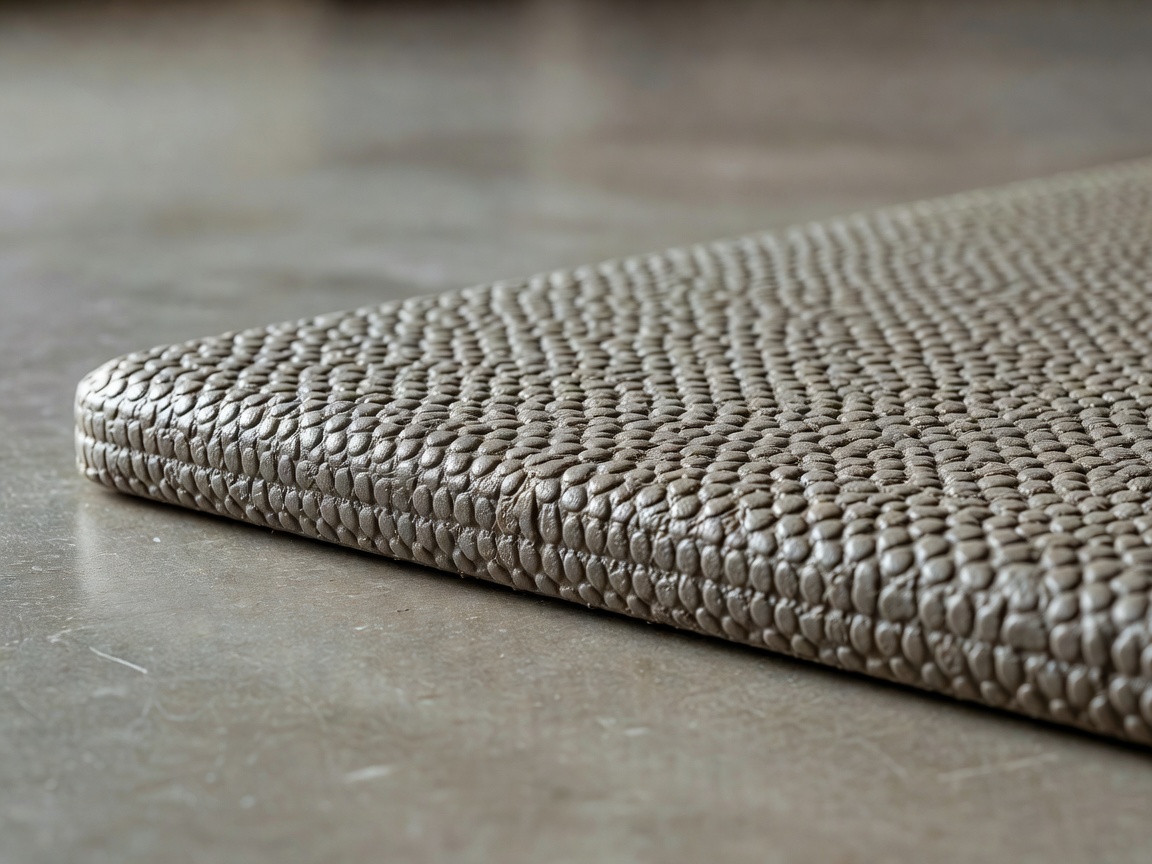
Save both positions as presets on the first day. Add an anti-fatigue mat for standing spells and wear supportive shoes rather than standing in socks on a hard floor. Start with short standing periods of 15–30 minutes and build up; the habit matters more than the hardware.